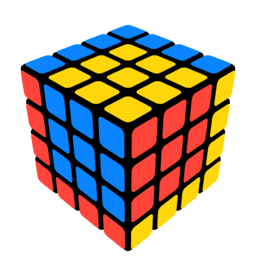
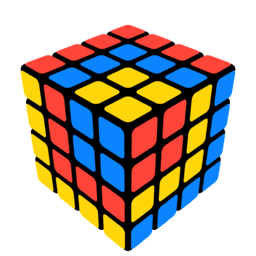
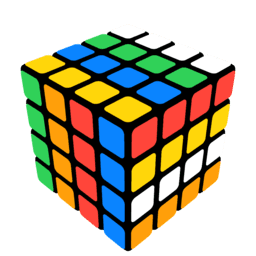
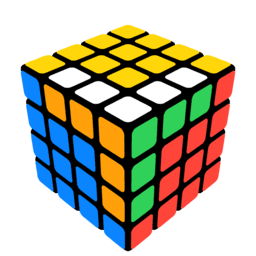
Algorithms for solved cubes

Rubik’s Cube Patterns

Cube patterns are move sequences that transform a solved cube into a planned design. Instead of solving a scramble, you start from a solved cube and apply an algorithm to create shapes such as checkers, dots, crosses, rings or layered color effects.

The pattern gallery supports 2x2 through 7x7 cubes. Choose a cube size, pick a pattern, and follow the moves to create the design. When you want to return to solved, reverse the same moves or use the solver if the cube has been changed beyond the original pattern.

What cube patterns are

A pattern is not a solve. It is a repeatable algorithm that starts from a solved cube and creates a planned visual result. Some patterns are simple and symmetric, while larger cube patterns can use inner layers to create rings, peaks, stripes and more detailed designs.
How to use patterns

Start with a solved cube, choose the matching size, and apply the moves exactly as shown. If your cube is already scrambled, solve it first. Pattern algorithms assume the solved state, so starting from a random scramble will not create the intended design.

Patterns by cube size

2x2 patterns

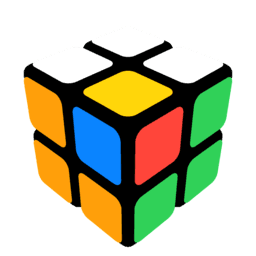
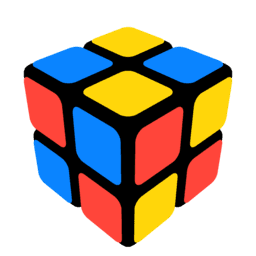
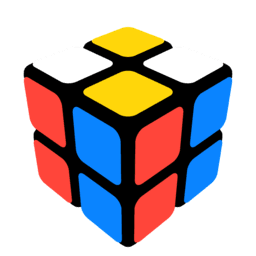
2x2 patterns are quick because every piece is a corner. They are good for learning how short algorithms change the whole cube.

Includes Checker, Columns, Cube.

3x3 patterns

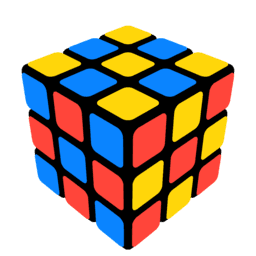
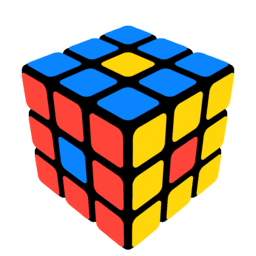
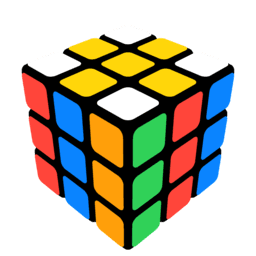
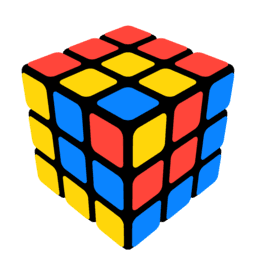
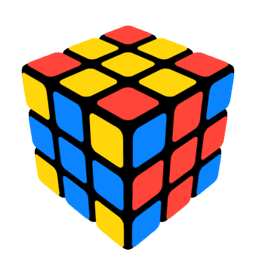
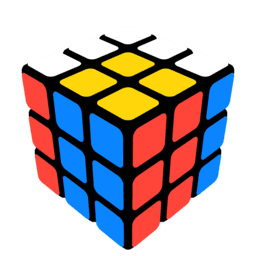
3x3 patterns include classic designs such as checker, dots, gift box, cross and cube effects.

Includes Checker, Dots, Gift Box, 3D, Cross, Columns.

4x4 patterns

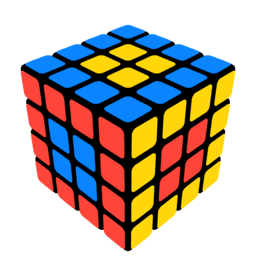
4x4 patterns can use inner layers and wide turns, so read the notation carefully before turning.

Includes Square, Cube, 3D, Stripes, Peak.

5x5 patterns

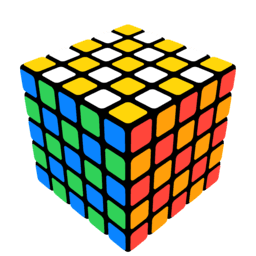
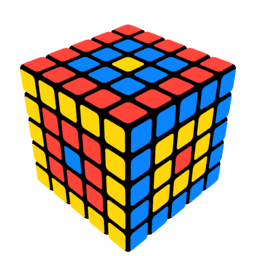
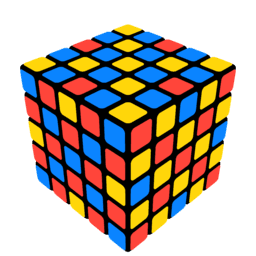
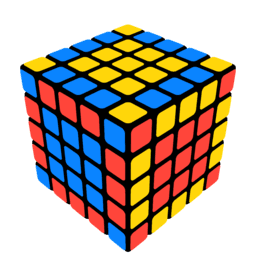
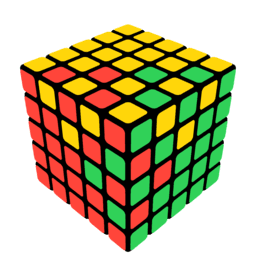
5x5 patterns have enough stickers for rings, flipped designs and more detailed color layouts.

Includes Checker, Ring, Tricker, Flipped, Super.

6x6 patterns

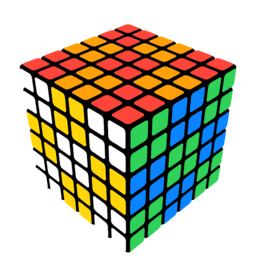
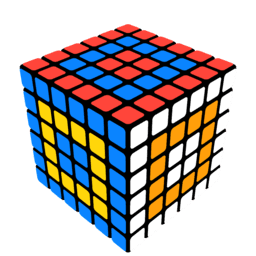
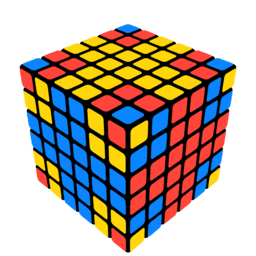
6x6 patterns create large checker, ring and cross effects across broader faces.

Includes Checker, Ring, Cross.

7x7 patterns

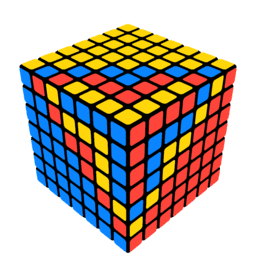
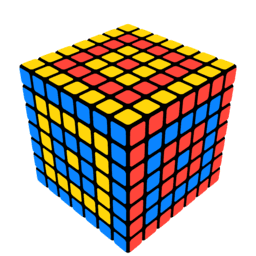
7x7 patterns can show more detailed dots and peak designs because each face has a larger grid.

Includes Peak, Dots.

Common pattern types

Checker

Alternates opposite colors across the cube, producing a high-contrast checkerboard effect.

Columns

Creates vertical bands of color that wrap around the cube faces.

Cube

Builds a smaller cube-like design inside the visible sticker layout.

Dots

Places contrasting center marks or dot-like groups on each face.

Gift Box

Creates a wrapped-box look with crossing color bands.

3D

Uses color placement to suggest depth and a raised three-dimensional shape.

Cross

Forms cross shapes across selected faces while preserving a clean geometric look.

Square

Creates square center blocks on larger cube faces.

Stripes

Turns rows and layers into clean horizontal or vertical stripes.

Peak

Builds a pointed, peaked color effect across multiple faces.

Ring

Creates a target or ring shape around the face centers.

Tricker

Produces a more complex mixed-color design for larger cubes.

Flipped

Flips the visual emphasis of face colors for a bold larger-cube pattern.

Super

Creates a dense, advanced-looking pattern with many repeated turns.

2x2

Checker

Checker 2x2 cube pattern

Columns

Columns 2x2 cube pattern

Cube

Cube 2x2 cube pattern

3x3

Checker

Checker 3x3 cube pattern

Dots

Dots 3x3 cube pattern

Gift Box

Gift Box 3x3 cube pattern

3D

3D 3x3 cube pattern

Cross

Cross 3x3 cube pattern

Columns

Columns 3x3 cube pattern

4x4

Square

Square 4x4 cube pattern

Cube

Cube 4x4 cube pattern

3D

3D 4x4 cube pattern

Stripes

Stripes 4x4 cube pattern

Peak

Peak 4x4 cube pattern

5x5

Checker

Checker 5x5 cube pattern

Ring

Ring 5x5 cube pattern

Tricker

Tricker 5x5 cube pattern

Flipped

Flipped 5x5 cube pattern

Super

Super 5x5 cube pattern

6x6

Checker

Checker 6x6 cube pattern

Ring

Ring 6x6 cube pattern

Cross

Cross 6x6 cube pattern

7x7

Peak

Peak 7x7 cube pattern

Dots

Dots 7x7 cube pattern

Frequently asked questions

What is a cube pattern?

A cube pattern is an algorithm that creates a visual design from a solved cube, such as checker, dots, cross, ring or cube-in-cube effects.

Which sizes have patterns?

The gallery includes patterns for 2x2, 3x3, 4x4, 5x5, 6x6 and 7x7 cubes.

Do I need a solved cube first?

Yes, patterns are easiest to follow from a solved cube. If your cube is scrambled, solve it first and then apply the pattern moves.

Can I get back to solved after a pattern?

Usually yes. Reverse the pattern algorithm or use the cube solver if you are unsure what moves were made.

Related cube resources